

Can Kratom Help Headaches? What the Research Says


Headaches are common and can range from mild discomfort to severe pain. If you are searching, can kratom help headaches, does kratom help with headaches, or kratom for migraines, you may be wondering whether kratom can reduce headache or migraine pain. Kratom (Mitragyna speciosa) is a plant traditionally used in Southeast Asia, and modern researchers have studied its alkaloids, particularly mitragynine and 7-hydroxymitragynine, because of their effects on the nervous system and pain pathways.
However, the evidence surrounding kratom for headaches is still developing. Research suggests that kratom and its alkaloids can affect pain-related pathways, but current human research is too limited to establish kratom as a safe or effective treatment for headaches or migraine.
A 2026 systematic review found promising results in preclinical studies but concluded that available human evidence is limited and insufficient to establish clinical effectiveness for pain management.
Important: Kratom is not an FDA-approved treatment for headaches or migraine. Research is ongoing, and regular use can carry risks including dependence, withdrawal, drug interactions, and other adverse effects.
Read more: From Pain Relief to Energy Boost: Kratom Disposables for the Active Athlete
What Is Kratom?
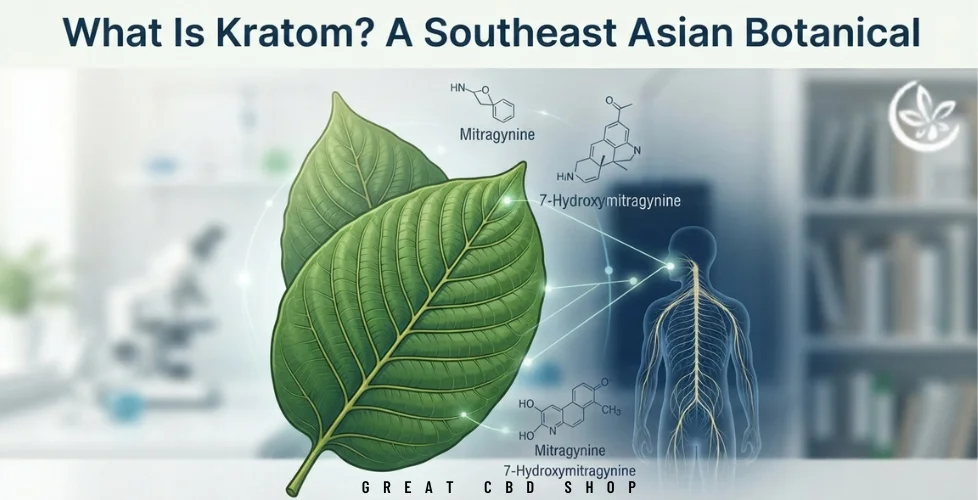
Kratom (Mitragyna speciosa) is a tropical tree native to Southeast Asia, particularly countries such as Thailand, Malaysia, and Indonesia. Its leaves have traditionally been used in local communities for various purposes. Today, kratom is commonly sold as powders, capsules, extracts, and other kratom products.
Kratom contains naturally occurring alkaloids, mainly mitragynine and 7-hydroxymitragynine (7-OH). These compounds interact with receptors and signaling pathways in the body, which is why researchers are studying kratom for its potential effects on pain and the nervous system.
However, research on kratom remains limited, especially in humans. While some studies have explored its potential effects, kratom is not an FDA-approved treatment for headaches, migraines, or other medical conditions. Its use may also carry risks, including side effects, dependence, withdrawal, and interactions with medications.
Can Kratom Help Headaches?
If you are asking can kratom help headaches, current research does not provide enough evidence to confirm that kratom effectively treats headaches or migraines. Its alkaloids, including mitragynine and 7-hydroxymitragynine, have been studied for their effects on pain pathways.
A 2026 systematic review of kratom and pain management found promising preclinical findings but noted that human evidence remains limited. The NCCIH kratom overview also states that research is still developing.
Therefore, kratom for headaches or migraines should not be considered a proven treatment. Kratom may also carry risks such as side effects, dependence, withdrawal, and drug interactions, so frequent or severe headaches should be discussed with a healthcare professional.
How Kratom May Affect Headaches
Kratom contains alkaloids such as mitragynine and 7-hydroxymitragynine (7-OH) that researchers study for their effects on pain and the nervous system. If you are wondering can kratom help headaches, current human research is still limited and does not confirm kratom as an effective headache treatment.
- Pain Pathways: Kratom alkaloids interact with receptors involved in pain signaling, which may influence how the body perceives pain.
- Potential Anti-Inflammatory Effects: Early research suggests kratom compounds may have anti-inflammatory activity, but more human research is needed to understand its relevance to headaches.
- Relaxation: Some people report relaxing effects from kratom, which may be relevant to tension-related discomfort. However, this does not establish kratom as a treatment for tension headaches.
- Mood and Stress: Kratom may affect mood and the nervous system, but evidence is insufficient to show that it can prevent headaches triggered by stress or anxiety.
Does Kratom Help With Headaches?
Searches for “does kratom help with headaches” often lead to personal experiences and anecdotal reports. Some people say kratom changes their perception of pain, while others report no benefit or unwanted effects.
The 2026 systematic review found that:
- Preclinical studies generally showed antinociceptive effects.
- Human studies were small and limited.
- Much of the human evidence involved experimental pain rather than diagnosed headache disorders.
- Mitragynine did not clearly improve pain threshold or tolerance in some human research.
- A kratom preparation produced a modest increase in pain tolerance in one experimental setting.
- More standardized and longer-term clinical research is needed.
Read more: Kava vs Kratom Key Differences, Benefits, Effects, and Uses
This means that researchers have a reason to continue studying kratom, but the current evidence does not show that it is an established headache medicine.
Kratom for Migraines: What Does the Research Say?
If you are searching for “kratom for migraines,” “kratom for migraine,” or “does kratom help with migraines,” it is important to look at the available scientific evidence before drawing conclusions.
Migraine is a complex neurological condition that can cause more than typical headache pain. Common migraine symptoms may include:
- Moderate to severe head pain
- Throbbing or pulsating pain
- Nausea or vomiting
- Sensitivity to light and sound
- Visual changes or aura
- Dizziness
- Fatigue
- Other neurological symptoms
Kratom contains active alkaloids, including mitragynine, that can affect pain-related pathways in the nervous system. This may help explain why some people report using kratom for migraine or other types of pain. However, effects on general pain perception do not necessarily mean that kratom treats the underlying biological mechanisms involved in migraine.
Types of Headaches and Kratom
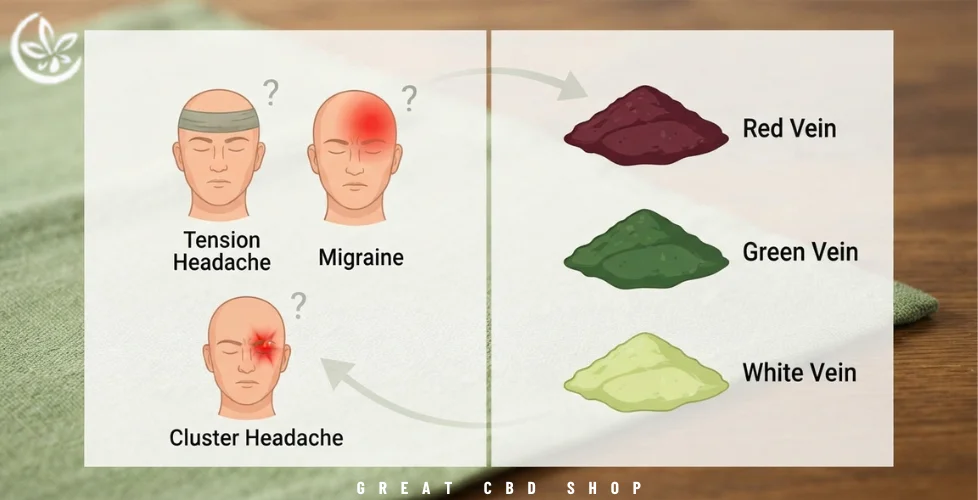
Kratom is sometimes discussed for pain relief, but research specifically on kratom for headaches remains limited. Current evidence does not establish kratom as a proven treatment for any specific headache type.
- Tension Headaches: These often cause dull, pressure-like pain around the forehead or back of the head. Although kratom may affect pain perception, there is not enough clinical evidence showing that it effectively treats tension headaches.
- Migraine Headaches: Migraines can cause severe pain, nausea, and sensitivity to light or sound. People may search for kratom for migraines, but current research does not establish kratom as an effective migraine treatment.
- Cluster Headaches: These cause intense, recurring pain, often around one eye. There is insufficient evidence that kratom treats cluster headaches, and medical evaluation is important because these headaches can be severe.
- Other Headaches: Headaches may also result from dehydration, poor sleep, caffeine changes, medications, or other causes. If headaches repeatedly occur after kratom use, consider whether kratom itself may be contributing.
Read more: Best Kratom Products: Where to buy Kratom products online?
Overall, research suggests kratom may influence pain-related pathways, but more human studies are needed to determine can kratom helps headaches.
Dosage and Strains for Headache Relief
Kratom strains and effects can vary widely, and research has not established a specific strain or dosage as safe and effective for headache relief.
Strains
- Red Vein Kratom: Often associated with more relaxing effects and commonly discussed for pain management.
- Green Vein Kratom: Generally described as having a balance of relaxing and stimulating effects.
- White Vein Kratom: Often considered more stimulating and may appeal to people experiencing fatigue, although evidence for headache relief is limited.
Kratom Dosage
Kratom dosage varies by person and product, so understanding safe use is important when asking, can kratom help headache.
| Dose Range | General Description | Considerations |
| Low Dose (1–2 g) | May produce mild effects and increased alertness or mood changes. | Effects vary by person and product. |
| Moderate Dose (2–4 g) | May produce stronger effects, including relaxation and changes in pain perception. | Individual tolerance can significantly affect the response. |
| High Dose (4–6 g) | May produce more pronounced effects, including sedation. | Higher amounts may increase the risk of side effects and should be approached cautiously. |
Important: There is no clinically established kratom dosage for headache relief. Research has not confirmed kratom as a safe or effective headache treatment, so these ranges should not be considered medical dosing recommendations.
Potential Side Effects and Risks
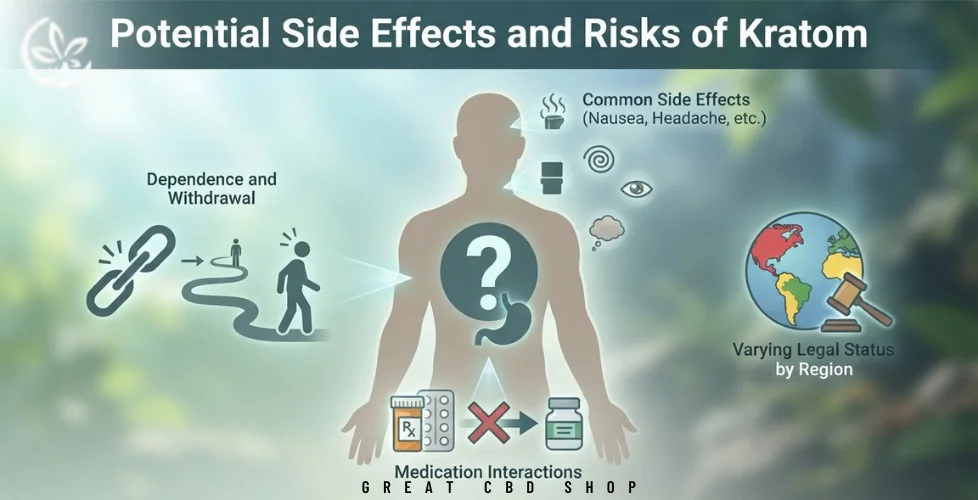
While some people use kratom for pain, it can also carry potential risks:
- Dependence and Withdrawal: Regular or frequent use may lead to dependence and withdrawal symptoms.
- Side Effects: Common effects can include nausea, constipation, dizziness, drowsiness, and headache.
- Legal Status: Kratom laws vary by country and region, so check local regulations before purchasing or using it.
- Medication Interactions: Kratom may interact with prescription or over-the-counter medicines. Consult a healthcare professional before combining kratom with medications.
Kratom Headache Next Day: Why Can It Happen?
A kratom headache next day may occur after the effects of kratom wear off, although there is no single confirmed cause. Possible factors include:
- Dehydration: Not drinking enough fluids may contribute to headaches.
- Sleep changes: Kratom may affect sleep quality or duration, which can trigger next-day discomfort.
- Caffeine changes: A sudden reduction in regular caffeine intake can cause withdrawal headaches.
- Product differences: Kratom products vary in alkaloid content, concentration, and formulation.
- Withdrawal: Frequent or regular use may lead to withdrawal symptoms, which can include headaches or other discomfort.
If you repeatedly experience a kratom headache the next day, don’t simply increase your intake. If you’re wondering can kratom help headaches, discuss your symptoms and kratom use with a healthcare professional.
Kratom Headache Withdrawal
Kratom headache withdrawal can be particularly confusing because the person may initially use kratom to manage discomfort and later experience discomfort when reducing or stopping it.
Reported withdrawal symptoms can include:
- Irritability
- Restlessness
- Anxiety
- Sleep problems
- Muscle aches
- Sweating
- Runny nose
- Nausea
- Cravings
- Other physical or psychological symptoms
Read more: Kratom 101: The Ultimate Kratom Guide to Dosage and Effects
The severity and duration can vary. A possible pattern can look like this:
Headache → kratom use → temporary change in symptoms → repeated use → physical dependence → reduced use → withdrawal symptoms
This is one reason that chronic headaches should be medically evaluated instead of repeatedly self-treating them with kratom.
How to Stop Kratom Headaches
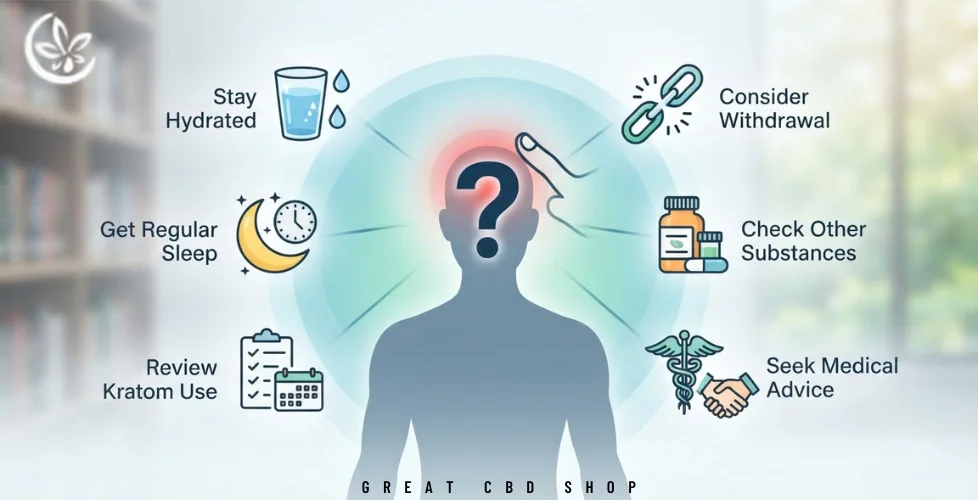
If you’re wondering How to Stop Kratom Headaches, first consider possible triggers such as dehydration, poor sleep, changes in caffeine, kratom use, or withdrawal.
- Stay hydrated: Drink enough fluids throughout the day.
- Get regular sleep: Poor sleep can contribute to headaches.
- Review kratom use: Note when headaches occur in relation to kratom use and avoid increasing intake to treat recurring headaches.
- Consider withdrawal: Headaches may occur when regular kratom use is reduced or stopped.
- Check other substances: Kratom may interact with medications or other supplements.
- Seek medical advice: Frequent, severe, or recurring headaches should be evaluated by a healthcare professional.
Research has not confirmed kratom as a proven treatment for headaches or migraines. If you’re asking can kratom help headaches, current evidence remains limited, so recurring symptoms should not be managed by increasing kratom use.
Read more: Choice Botanicals CBD: Kratom Capsules, Powders, and Shots
When Should You See a Doctor for Headaches?
Occasional headaches can have many causes, but certain symptoms require urgent medical evaluation.
Seek emergency care for a headache that:
- Reaches maximum intensity within about one minute
- Is suddenly and unusually severe
- Is substantially different from your normal headaches
- Occurs with new weakness or numbness
- Causes difficulty speaking
- Causes major vision changes
- Occurs with unusual dizziness or trouble walking
- Occurs with confusion
- Follows a significant head injury
The American Migraine Foundation identifies thunderclap headache and new sudden neurological symptoms as important warning signs requiring emergency evaluation.
If headaches are becoming frequent, severe, or progressively worse, speak with a healthcare professional.
Frequently Asked Questions About Kratom Headaches
Get clear answers to common questions about kratom headaches, including potential causes, kratom effects, withdrawal, and whether kratom may help with headaches or migraines.
Can kratom help headaches?
Current research does not establish kratom as a safe or reliable treatment for headaches. Preclinical studies show pain-related effects, but human evidence remains limited.
Does kratom help with headaches?
Some people report changes in pain after taking kratom, but anecdotal reports do not prove that kratom treats headaches.
Does kratom help with migraines?
There is not enough clinical evidence to establish kratom for migraines as an effective treatment. Migraine should be evaluated and treated according to the individual’s symptoms and medical history.
Does kratom help with migraines or make them worse?
Individual responses may vary. Some people may report changes in pain, while others may experience unwanted effects, including headache, nausea, dizziness, or drowsiness.
Can kratom cause headache?
Yes. Headache has been reported in research involving kratom or its compounds. A headache can also have unrelated causes, such as dehydration, sleep changes, caffeine withdrawal, or an underlying headache disorder.
What is a kratom headache?
“Kratom headache” is an informal term for a headache that someone associates with kratom use. It is not a specific medical diagnosis.
Why do I get a kratom headache the next day?
A kratom headache the next day could have several possible causes, including dehydration, sleep disruption, caffeine changes, product effects, withdrawal, or an unrelated headache condition.
How can I stop kratom headaches?
Look for patterns involving hydration, sleep, caffeine, frequency of kratom use, and withdrawal. If you use kratom regularly, discuss changes in use with a healthcare professional.
Can kratom withdrawal cause headaches?
Regular kratom use can result in physical dependence, and stopping can cause kratom withdrawal symptoms. Headache or other discomfort may occur in some people, although individual experiences vary.
What are the main kratom effects?
Reported kratom effects include changes in alertness, energy, relaxation, sedation, mood, and pain perception. Side effects can include nausea, constipation, dizziness, and drowsiness.
What are the best kratom products for headaches?
There is no scientifically established best kratom product for headaches. Research has not demonstrated that a particular strain, product, or format reliably treats headache or migraine.
Read more: Kratom And Kratom Products Quick FAQS
Final Takeaway: Can Kratom Help Headaches?
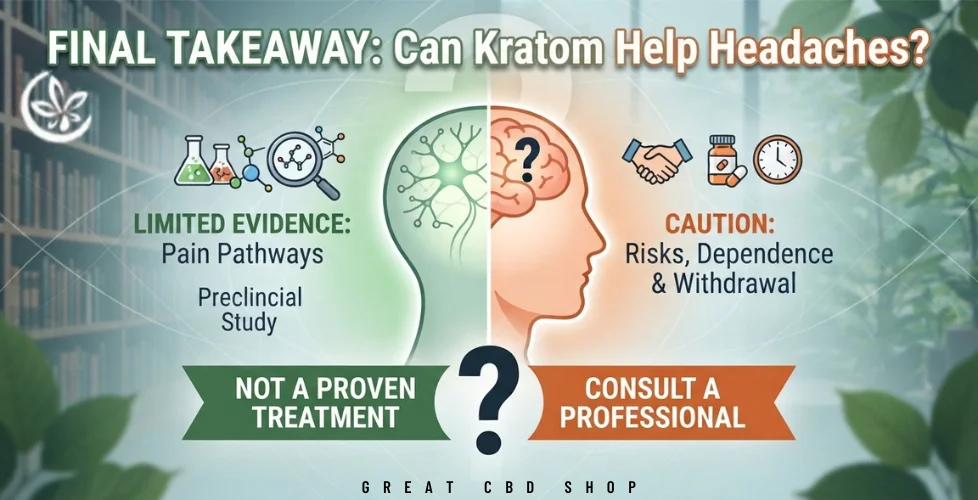
So, can kratom help headaches? Current research does not provide enough evidence to confirm that kratom safely or reliably treats headaches or migraines. While kratom alkaloids may affect pain pathways, human research remains limited.
The same applies to kratom for migraines. It is not an established migraine treatment, and more clinical research is needed.
Kratom can also cause unwanted kratom effects, dependence, and withdrawal. Some people may experience a kratom headache or kratom headache the next day, while others may develop headaches when reducing or stopping regular use.
For recurring headaches, identify the underlying cause and discuss appropriate treatment options with a healthcare professional.